
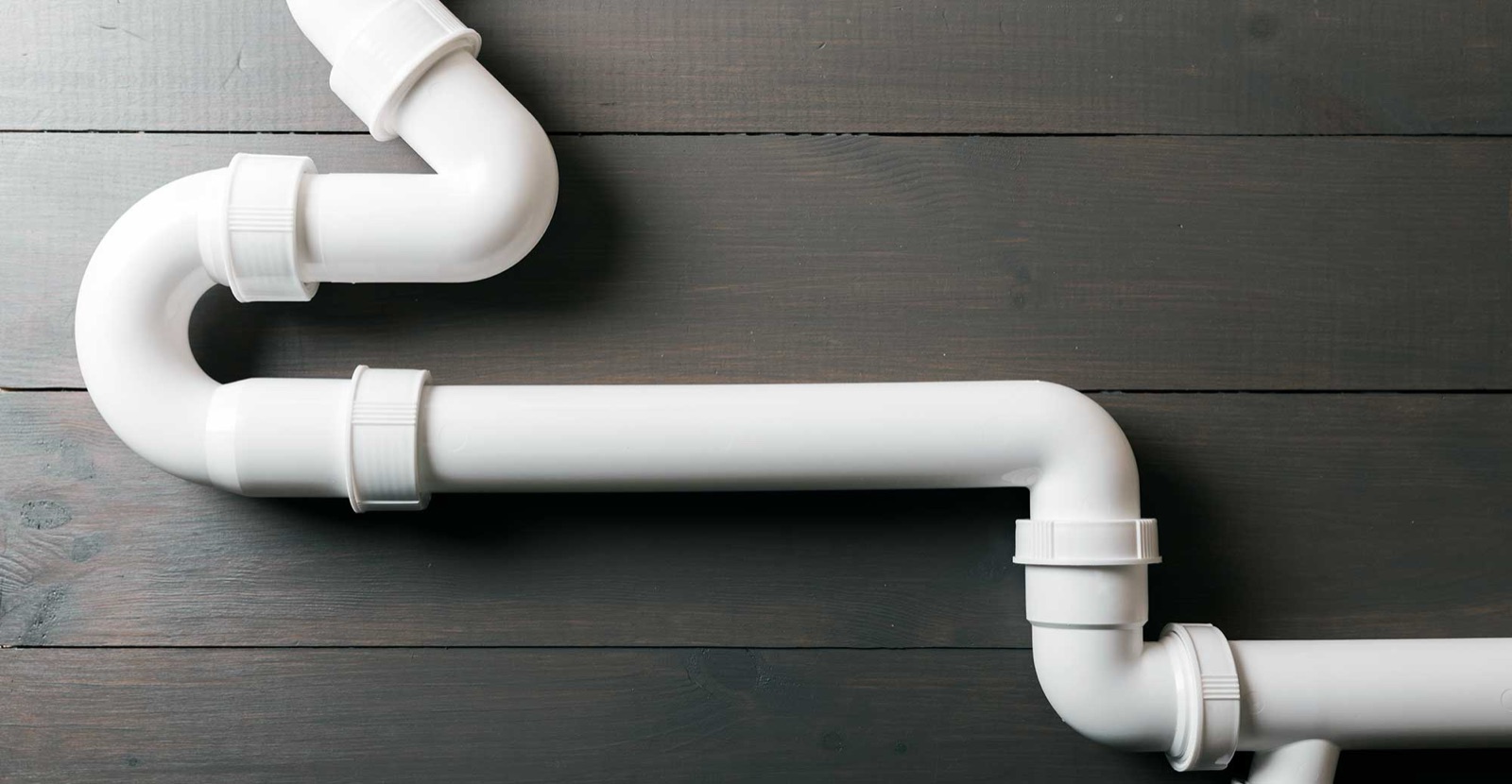
Water Pressure Diagnosis & Repair
Water pressure problems — whether pressure that's too low to get a decent shower or pressure so high it's damaging your pipes — have specific, diagnosable causes. Alberto Plumbing identifies the root cause and fixes it, not just the symptom.
- 4.9★ Google · 186 reviews
- BBB A+ Accredited
- Licensed TX Master M-39647
- BuildZoom 95 Contractor score
- Family-Owned Local & independent
- 16+ yrs Experience
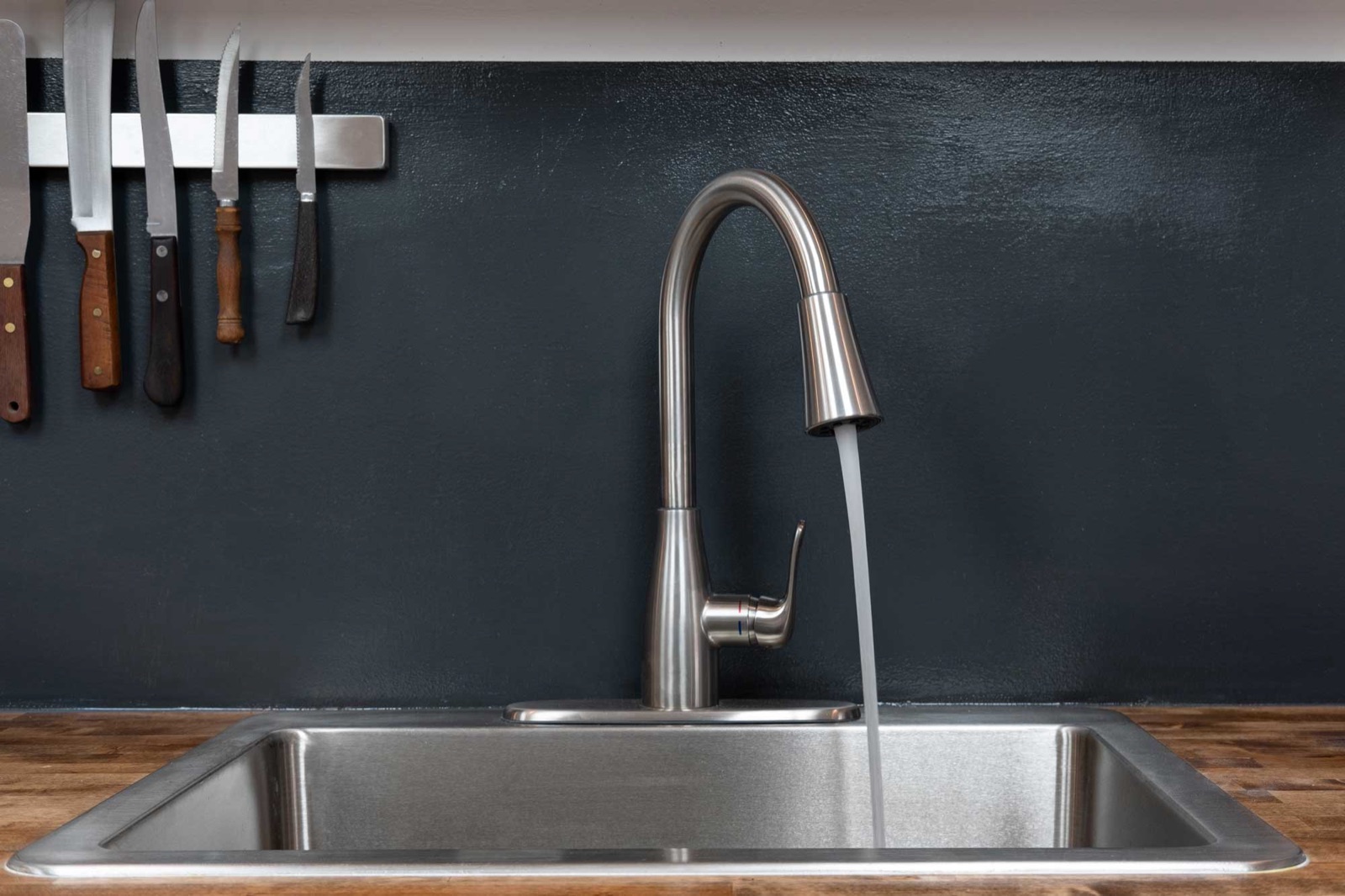
Low water pressure: causes and solutions
Low water pressure is one of the most frustrating plumbing problems because the cause isn't always obvious from the outside. Alberto Plumbing diagnoses water pressure issues methodically — starting at the meter and working inward — rather than replacing parts until something improves.
Pressure reducing valve (PRV) failure
The PRV is the single most common cause of sudden whole-house low pressure in Pflugerville and Round Rock homes. Every home connected to municipal water supply in most Texas cities is required to have one — city water main pressure routinely runs 90–110 PSI, and most of that gets reduced to a household-safe 60–75 PSI at the PRV on your supply line.
When a PRV fails closed, it starves the entire home of pressure. When it fails open, it passes full city pressure into your plumbing — which you may not notice immediately, but which accelerates fixture and appliance wear. PRV replacement is a straightforward repair that Alberto Plumbing handles on a same-day basis in most cases.
Scale buildup in pipes
Central Texas's very hard water deposits calcium and magnesium scale on the interior walls of pipes over time. In older galvanized steel supply lines — common in Pflugerville and Round Rock homes built in the 1970s and 1980s — this buildup can reduce the internal pipe diameter from 3/4" to nearly half that over several decades. The result is progressively lower pressure and flow at every fixture in the home, worsening over time.
If your home has galvanized steel supply lines and you've noticed pressure declining over years, repiping to PEX or copper is the long-term solution. A water softener prevents future buildup in new pipes. Alberto Plumbing can evaluate your supply line condition and give you a realistic assessment.
Partially closed main shutoff
Sometimes the simplest explanation is the right one. A main shutoff valve or meter valve that isn't fully open — perhaps partially closed during a previous repair — will restrict whole-home flow. Alberto Plumbing checks this first; it takes two minutes and occasionally saves a diagnostic hour.
Single-fixture pressure problems
Low pressure at one faucet or showerhead while the rest of the home is fine is almost always a local issue in Central Texas:
- Clogged aerator. The mesh aerator on a kitchen or bathroom faucet accumulates mineral scale rapidly in hard-water areas. Cleaning or replacing it is a 5-minute fix.
- Showerhead scale buildup. Same principle — mineral deposits restrict the nozzle holes. A scale-removing soak or new showerhead fixes it.
- Worn cartridge. A cartridge that's deteriorated can restrict flow even when fully open. Common after years of use in hard water.
- Supply stop partially closed. The angle stop valve under the sink or behind the toilet that feeds a single fixture may not be fully open after a previous repair.
High water pressure: the hidden plumbing threat
Most homeowners notice when pressure is low. High pressure is more insidious because it often feels fine at the faucet — water comes out with good force and you're satisfied. The damage happens inside your plumbing where you can't see it.
Many Pflugerville and Round Rock homes receive municipal supply at 90–110 PSI. Without a functioning PRV, that pressure runs through every faucet washer, every toilet fill valve, every supply hose to the washing machine and dishwasher, every pipe fitting in the home — 24 hours a day. At 100+ PSI:
- Toilet and faucet components wear out significantly faster
- Braided supply hoses to toilets, washing machines, and ice makers are under constant stress that can cause sudden rupture and flooding
- Water hammer (banging pipes) is amplified, stressing pipe joints
- Appliance manufacturers' warranties are often voided above 80 PSI
- Risk of slab leaks increases — pipe fittings under constant high pressure are more susceptible to joint failures
A pressure test takes minutes and costs nothing as part of a service call. If your home is running above 80 PSI, a PRV set to 60–75 PSI is inexpensive insurance.
Water hammer: banging pipes
Water hammer is the banging, thudding, or rattling sound that occurs when a fast-closing valve — a dishwasher solenoid, a washing machine inlet valve — shuts off water flow abruptly. The momentum of moving water hits the closed valve and creates a pressure wave (hammer) that travels back through the pipe.
Water hammer arrestors — spring-loaded shock absorbers installed at the affected appliance supply — eliminate the noise and protect the pipe and valve from repeated stress. High incoming water pressure makes hammer worse; reducing pressure to 60–70 PSI via a PRV often reduces or eliminates hammer in homes where the arrestors don't fully solve it.
Expansion tanks and closed plumbing systems
Pflugerville and Round Rock homes built in recent years are increasingly on closed plumbing systems — where a check valve or PRV prevents water from flowing back toward the city main. In a closed system, when water heats and expands, it has nowhere to go. The result is pressure spikes every time the water heater fires.
An expansion tank — a small pressurized vessel installed on the cold-water supply to the water heater — absorbs that thermal expansion and keeps system pressure stable. In many jurisdictions, expansion tanks are now required by code on new water heater installations in closed systems. Alberto Plumbing installs expansion tanks as part of any water heater replacement where the code or system configuration requires it.
Diagnosis and repair process
- Pressure test at the meter and at a hose bibb. A gauge reading at two points tells us whether the pressure problem is on the city side, at the PRV, or in the internal distribution.
- PRV inspection. We test the PRV's output pressure and check for failure signs — mineral buildup, diaphragm wear, stuck position.
- Branch and fixture evaluation. If whole-house pressure is normal but specific fixtures are low, we trace the affected branch to identify the point of restriction.
- Written estimate before repair. You get a price before anything is replaced or adjusted.
Service area and scheduling
Alberto Plumbing handles water pressure diagnosis and repair throughout Pflugerville, Round Rock, Hutto, Austin and North Austin, Cedar Park, and Georgetown. Call (512) 429-6933 to schedule a same-day diagnostic. We offer $10 off any service call on your first visit.
Related services and guides
- Slab leak detection and repair — high pressure accelerates pipe wear; slab leaks can also cause a sudden pressure drop
- Water softeners — the long-term fix for scale buildup that restricts pressure in older supply lines
- Water heater services — expansion tanks are part of proper water heater installation in closed systems
- Why is my water pressure low? — complete guide
- High water pressure: what it damages and how to fix it
Trusted for water pressure
Water Pressure FAQs
Normal residential water pressure is 40–80 PSI. The Texas plumbing code and most plumbing manufacturers recommend keeping pressure at or below 80 PSI — above that, fittings, fixture washers, and appliance hoses are under sustained stress that shortens their life. Many Pflugerville and Round Rock homes receive municipal water at 90–110 PSI, which is why a properly sized pressure reducing valve (PRV) is required by code and essential for protecting your plumbing.
Sudden whole-house low pressure usually points to one of four causes: a failed or misadjusted pressure reducing valve (PRV), a partially closed main shutoff valve, a water main break or service interruption from the city, or an active leak somewhere in your supply system (including a slab leak). If city pressure has been confirmed normal and your neighbors aren't affected, the issue is almost certainly on your side of the meter. Alberto Plumbing can diagnose the cause and repair or replace the PRV in most cases same-day.
Yes — sustained high pressure is one of the leading causes of premature plumbing failure. At 100+ PSI, the small rubber washers and O-rings in faucets and valves wear out faster, supply hose connections to toilets and washing machines are under stress that can cause sudden rupture, water hammer is amplified, and pipe fittings experience fatigue. A PRV set to 60–75 PSI is inexpensive protection against expensive repair bills down the road.
A PRV is a bell-shaped valve installed on your main supply line where it enters the home. It automatically reduces incoming city water pressure to a safe, set level. PRVs typically last 10–15 years, but they can fail earlier — especially in hard-water areas where scale affects the internal diaphragm. A failed PRV either sticks open (allowing full city pressure through) or sticks closed (blocking flow and causing low pressure). Both cause noticeable problems. Alberto Plumbing tests and replaces PRVs as part of water pressure service calls.
Low pressure at a single faucet or showerhead, while the rest of the home is normal, is almost always a local issue — a clogged aerator or showerhead restrictor from mineral scale (very common in Central Texas), a partially closed fixture supply stop, or a worn cartridge restricting flow. These are quick fixes. If all fixtures on one floor, one zone, or one side of the home are low while others are normal, that points to a branch line issue.
Water hammer is a pressure wave created when a fast-closing solenoid valve — in a dishwasher, washing machine, or automatic irrigation system — shuts off flow abruptly. The momentum of moving water has nowhere to go and creates a shock wave that rattles the pipe. The fix is usually a water hammer arrestor installed at the affected appliance supply, or an air chamber in the line. High incoming water pressure makes water hammer worse — a PRV set to 60–70 PSI often reduces hammer noticeably.
Save on your next service call
More plumbing services
Need water pressure? Let’s get it fixed.
Jose A. Vital, Owner & Master Plumber, and team — serving Pflugerville & Central Texas with honest, fast plumbing for 16+ years.
- 4.9★ Google · 186 reviews
- BBB A+ Accredited
- Licensed TX Master M-39647
- BuildZoom 95 Contractor score
- Family-Owned Local & independent
- 16+ yrs Experience